
The global toys and games market continues to show strength even as market dynamics shift. Forecast demand for traditional toys and games shows steady value growth from 2024 to 2029, set to hit USD98.5 billion by 2029. The kidult segment is becoming indispensable as sales in categories like collectibles, plush and construction are being lifted by adults who enjoy decorating shelves, setting up displays or simply indulging in grown-up playtime. For the kidults, toys are not simply a plaything, but provide comfort, nostalgia, identity expression and emotional wellness.
The next Asian wave
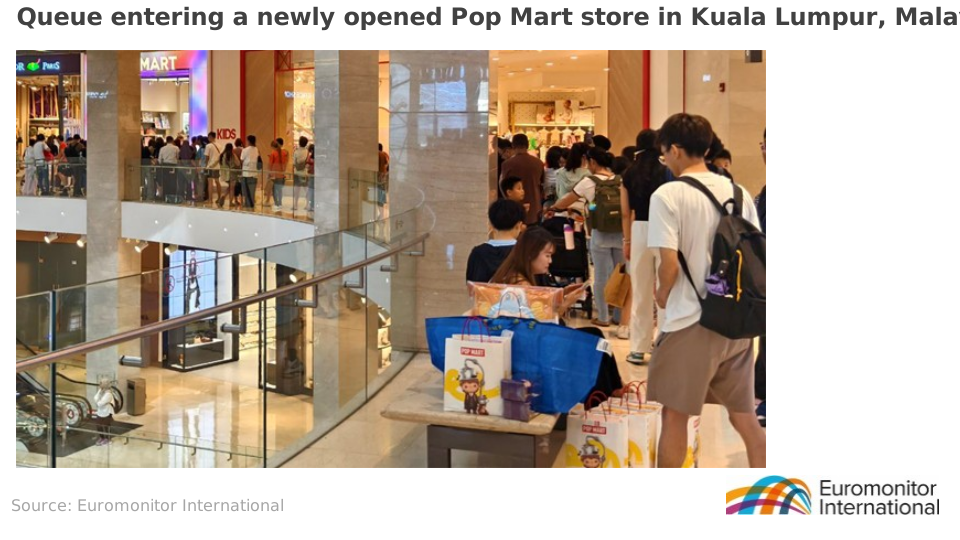
Asia continues to shape global pop culture, and this influence increasingly extends to traditional toys. Chinese brands such as Pop Mart leverage the “China‑chic” design language and constant novelty drops have turned Labubu, Dimoo and Crybaby into global icons. Pop Mart saw its sales more than double in Southeast Asia and has started expanding into Europe and the US. South Korea contributes its own cultural engine through K‑pop‑driven storytelling and character design, with KPop Demon Hunters as a vivid example of how music‑first fandoms extend naturally into plush, dolls and collectible lines. This merging of pop culture and toy design strengthens emotional connection and reinforces the cute economy’s focus on comfort, representation and personal identity.
Affordable joy in an uncertain world
Amidst global challenges and financial strain, consumers are increasingly turning to toys and games for nostalgia, comfort, escapism and social connection. Economic uncertainty has, in fact, increased demand for toys. Consumers are prioritising value, small luxuries and emotionally comforting purchases, making affordability a key growth driver. Blind boxes are expanding rapidly thanks to their low entry price, high emotional payoff and strong collectability.
Blind box collectibles are projected to reach USD10.5 billion by 2028
Source: Euromonitor International
Affordability also increases toys’ demographic reach. From young earners and families to seniors and kidults, low‑ticket cute items encourage repeat purchases and foster multi‑generational engagement.
Cute is big business
As the cute economy reshapes global demand, companies must respond with focused, future‑ready strategies. This means prioritising emotion‑driven product innovation, forging stronger partnerships with leading Asian creators and IP owners, and broadening portfolios to toys that can resonate with consumers emotionally. Companies should also strengthen digital‑first commercial capabilities, enhance speed‑to‑market and embed affordability without compromising design integrity. Embracing the cute economy enables companies to capture emerging growth pockets and also secure long‑term relevance in a market where emotional value, cultural resonance and universal appeal increasingly define competitive leadership.
Download a copy of Ratna’s presentation at Spielwarenmesse, and contact us here for more insights on toys and games.
This content was written with the assistance of AI. All information is original to Euromonitor and is derived from a presentation made at Spielwarenmesse 2026, entitled “Cute economy – Kidults going gaga over blind box and plush”. The final article has been thoroughly reviewed by our team to maintain the highest standards of quality and integrity.