Food and NutritionConsumers are engaging with food and nutrition like never before. Our in-depth analysis examines the most important implications across the industry, providing market intelligence, original thinking and key insights.
The dairy industry in Asia Pacific is undergoing demographic shifts and rising competition from consumer health categories.
Across 2025-2030, the region will generate 26% of global dairy retail value gains, amounting to USD18.9 billion
Source: Euromonitor International
To stay competitive for the long term, brands must focus on early‑life preventative health and build relevance among consumers under 30.
This is because with more than half of under‑30s in Asia expected to live in six emerging markets by 2030, early habit formation will be crucial to build brand loyalty and consumption stickiness. As milk formula demand moderates, brands are shifting towards older children, adolescents and young adults. Key opportunities lie in personalised nutrition, preventative health innovation and household penetration through family‑inclusive portfolios.
Personalising nutrition through preventative health
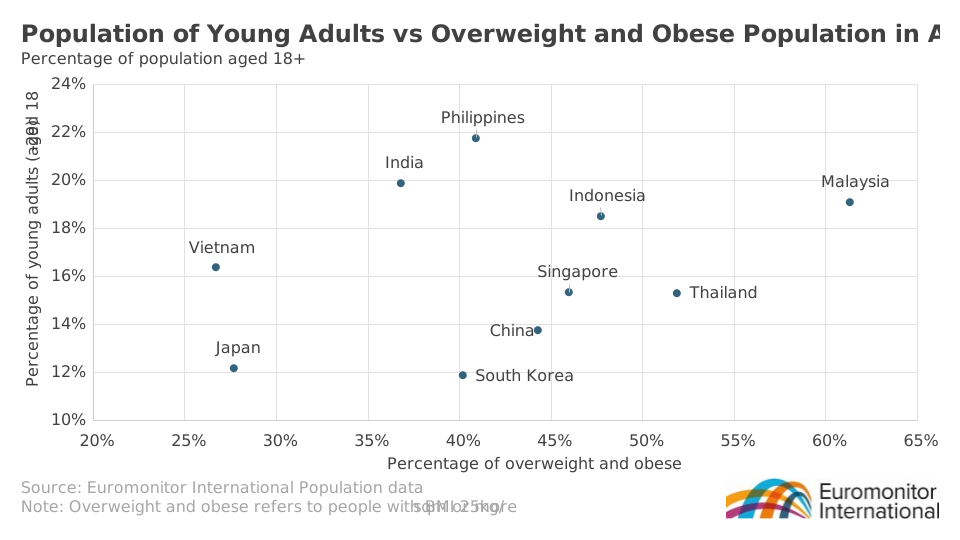
Weight management is a rising priority in Malaysia, Indonesia, Thailand and Singapore, where obesity rates are highest. One in three consumers is overweight across eight core Asia Pacific markets, yet dairy accounts for only 13% of the USD9.3 billion weight management market in 2025, signalling strong growth potential.
Younger cohorts show even stronger weight loss demand: 55% of Gen Z in Thailand want to lose weight, compared with 48% globally. Preventative dairy products that support digestion, energy and muscle maintenance can help shape healthier routines during formative years and contribute to better weight management in adult years. Physical‑benefit categories such as cardiovascular health, bone and joint support and skin health are expected to grow. In addition, regional protein consumption remains below the global average – higher-protein dairy solutions can address this gap.
Skin and hair health also underpin wellness in Asia. Nearly one in four consumers prioritised these concerns in 2025, which represent 57% of the Asia Pacific beauty market – far above the global 42%. Fortified dairy with collagen, vitamin C and zinc can strengthen beauty‑from‑within routines. Recent launches, including collagen‑boosted dairy drinks and biotin‑fortified plant alternatives, reflect demand for nutrition that intersects with aesthetics.
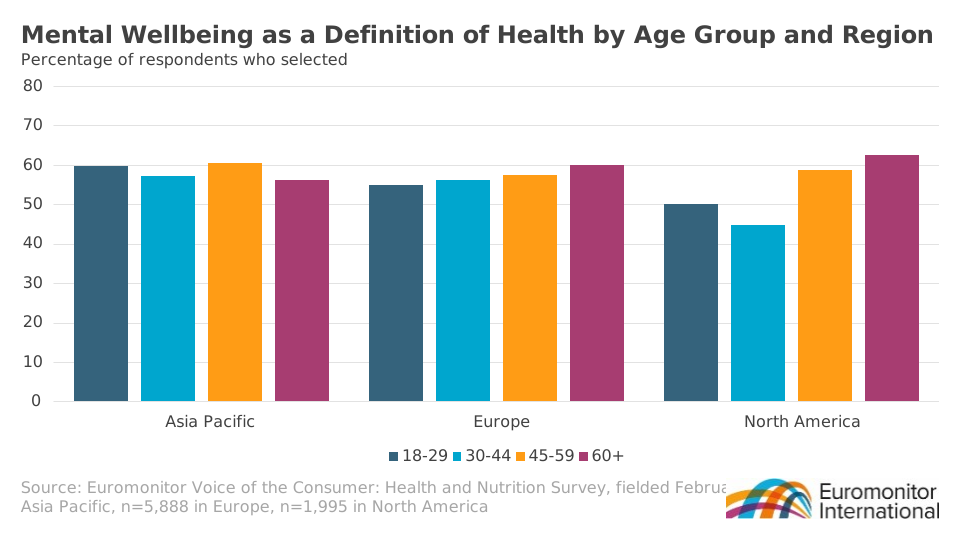
A key unmet need is nutrition paired with indulgence. Mood enhancement remains linked to comfort and pleasurable sensory experiences. Youth‑focused beverage innovations have gained attention but often conflict with clean label expectations. As 45% of Gen Z prioritise enjoying life now and 55% seek more personal time, dairy formats offering indulgence without compromising nutrition can help the category reclaim mental‑wellbeing space from adjacent sectors.
Reaching the youth population in their spaces
Asia’s average household size of 3.4 remains significantly larger than in North America or Western Europe. Multigenerational living offers opportunities for brands to anchor dairy as a shared household solution tied to long‑term health maintenance. Family‑inclusive portfolios can address collective goals, from children’s nutrient gaps to the prevention of later‑life concerns among adults. Family‑positioned fortified milk powders highlight the value of cross‑generational relevance, especially as household growth accelerates in markets such as the Philippines.
Education and fitness environments also shape consumption. Many youths and young adults remain in school or university until their 20s. Rising screen exposure further increases demand for eye‑health and focus‑supporting ingredients. Yet 16% of parents say schools lack healthy food options, and 29% report that meals are eaten away from home. This opens space for dairy products suited to learning and exercise occasions, to speak to a third of Asians aged 15-29 who exercise once or twice weekly, the highest globally. Although the USD5.7 billion sports nutrition market is dominated by niche brands, dairy can compete through natural protein credentials, portability and clean‑ingredient alignment.
Strategies to address the evolution of Asia Pacific’s pre-ageing segment
Strategies will expand beyond young children to older children, adolescents and professionals in their late 20s. With declining fertility, reaching younger cohorts becomes essential for long‑term dairy resilience and generating loyalty. Consumers in their late 20s represent a pivotal life stage as they form independent households and develop family routines.
Functional innovation will accelerate through to 2030, with more clinically supported ingredients and clearer anti-ageing claims. Stronger links between digestive, cognitive and immune health will align with holistic wellness expectations alongside protein-rich innovation and skin and hair care with a more universal message of wellbeing rather than gendered aesthetics.
As competition from consumer‑health categories intensifies, success will depend on anticipating demographic change and behavioural shifts. Brands that invest in early‑life preventative health, personalised nutrition, functional innovation and family‑inclusive strategies will be best positioned for long‑term influence.
Energy management is reshaping coffee consumption as consumers seek more control over caffeine, focus and wellbeing across the day. Coffee risks losing key…
Marketplaces remain the cornerstone of FMCG e-commerce. However, their role is evolving as the broader digital commerce landscape becomes more fragmented and…
This report examines how leading companies are shaping strategies in challenging times. Chief amongst the headwinds they face is a continued difficult consumer…