
As the global market for consumer appliances grows 1% in 2025, it undergoes transformation driven by AI, modular ecosystems, and shifts towards energy-efficient climate solutions. Eight of the top 10 growth markets are in the Global South. Brands increasingly integrate AI as a standard feature in premium appliances, offering personalised, predictive experiences. Samsung and LG expand into heating, ventilation, and air conditioning (HVAC), focusing on large-scale infrastructure. Chinese brands boost presence at key events and grow their international presence in fast innovation categories such as robotic vacuums. Euromonitor highlights leading trends shaping change in 2025.
Premiumisation through smart and AI features
AI integration has become a baseline expectation in high-end appliances. Consumers pay more for convenience and automation, with AI features offering tailored brewing, automated cleaning, and energy optimisation. AI-powered vacuums and smart blenders are gaining popularity. This shift supports value growth in innovation-led products such as vacuum cleaners and personal care devices, which grew by 3% and 1%, respectively, in 2025. Ecovacs and Roborock leverage AI to differentiate their offerings in robotic vacuums. Brands like Miele, Siemens and Samsung offer products that autonomously adjust settings, recognise food types and optimise performance based on user behaviour. This trend enhances convenience and efficiency, driving premiumisation. Samsung’s plan to incorporate LED screens across all premium appliances exemplifies this shift.
The global major appliances market reached 570 million units in 2025, with AI playing a pivotal role in product differentiation and consumer appeal
Source: Euromonitor International
Niche segments for growth
With traditional appliance categories plateauing especially in developed markets, companies target niche markets such as outdoor appliances, pet-focused products and appliances designed for the elderly. This strategy helps brands capture emerging consumer needs and diversify portfolios. However, rapid urbanisation and middle-class expansion in the Global South boost demand in mainstream categories, offering growth opportunities in traditional categories such as home laundry appliances or large cooking appliances.
Home HVAC as growth engine within major appliances
HVAC products show strong growth, with volume rising 2% in 2025. Samsung’s EUR1.5 billion acquisition of FläktGroup and LG’s goal to become a top global HVAC provider by 2030 highlight a strategic shift towards large-scale commercial and residential HVAC solutions. This area benefits from rising energy efficiency demands and smart building integration, representing lucrative expansion beyond traditional consumer appliances.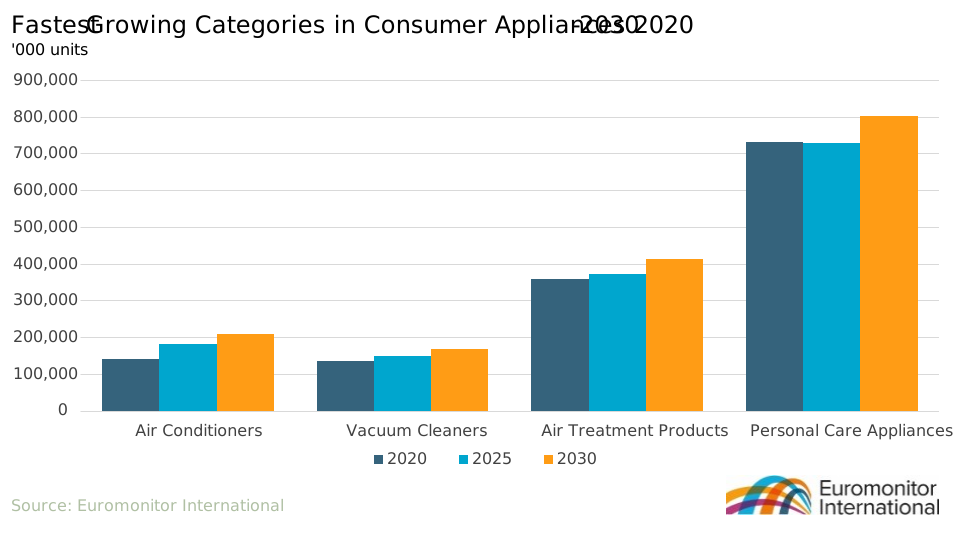
Navigating innovation and growth in consumer appliances
A fragmented competitive landscape, intensified by agile Chinese innovators and niche players, challenges established small appliance brands to stand out through smart features, sustainability and service models. Emerging markets, particularly in the Global South, offer significant growth opportunities, highlighting the need for localised strategies and digital commerce engagement. To succeed, companies must focus on innovation hotspots and strengthen direct-to-consumer relationships that align with shifting consumer priorities.
Similarly, major appliances face a complex environment marked by slower growth due to housing market challenges and macroeconomic uncertainties. The shift towards direct-to-consumer sales and subscription models is reshaping customer relationships, providing recurring revenue streams despite consumer hesitancy. Investments in HVAC indicate a strategic move towards integrated infrastructure solutions with strong long-term potential. Companies must manage high development costs and tariff unpredictability while leveraging servitization and smart home integration to differentiate their offerings. Success depends on balancing innovation with affordability and capitalising on growth in high-potential regions to offset mature market saturation.
Learn more about the evolving consumer appliances landscape and strategic growth opportunities in Euromonitor International’s report, Top Five Trends in Consumer Appliances.
This content was written with the assistance of AI. All information is original to Euromonitor and is derived from our report titled “Top Five Trends in Consumer Appliances”. The final article has been thoroughly reviewed by our team to maintain the highest standards of quality and integrity.