
Access to GLP-1 medications is set to grow in the US with the expansion of telehealth and the development of pill formats both driving costs down. This will have a significant impact on traditional weight loss products which are struggling to compete. Companies operating in the weight loss space must cater to the new GLP-1 consumer and their evolving need states.
More Americans will have access to GLP-1 medications by 2026
In 2025, pharmaceutical manufacturers swiftly expanded their telehealth presence to match the growing demand for GLP-1 prescriptions. Novo Nordisk, maker of Wegovy, and Eli Lilly, maker of Zepbound, both launched direct-to-consumer telehealth platforms to streamline access.
In efforts to undercut the competition from clinics offering affordable compounded semaglutide, Novo Nordisk and Eli Lilly rolled out lower-priced options. Both companies are also developing oral versions of GLP-1 medications. These pill formats could reach the market by 2026, driving prescription costs further down.
With pressure to lower prescription prices and drugmakers partnering with more telehealth platforms to broaden access, the number of Americans on GLP-1 medication is expected to rise.
18% of US respondents reported taking prescription drugs for weight loss in 2025, up from 10% in 2024
Source: Euromonitor’s Voice of the Consumer: Health and Nutrition Survey, fielded February 2024
Legacy weight loss brands turn their attention towards GLP-1 consumers
Heritage weight loss companies are shifting focus to accommodate the GLP-1 consumer. Weight Watchers filed for bankruptcy in May 2025, announcing its transition into a telehealth platform offering prescription weight loss medications as part of its renewed strategy. Following a private equity acquisition, The Vitamin Shoppe carved out an area of growth with an online and in-store section devoted to products tackling GLP-1 side effects, in conjunction with a telehealth service offering GLP-1 prescriptions.
In meal replacement, Glanbia announced the sale of Slim Fast at the beginning of 2025. Originally introduced in 1977, the brand’s shakes and snacks have fallen out of step with current consumer cravings. Gone are the days of strict calorie counting; today, many consumers are embracing holistic weight loss approaches, with a growing emphasis on restoring the body from GLP-1-induced side effects and restoring overall health.
Weight management categories will be impacted
Weight management and wellbeing sales in the US are expected to decline by 2.7% in current value terms in 2025. Meal replacement sales will decline sharply in 2025 as consumers trade calorie-restrictive meal systems for nutrient-packed offerings. Weight loss supplements will also shrink as it struggles to match the efficacy of semaglutide and consumers shift towards alternative weight loss treatments. Digital lifestyle programmes offering personalised fitness and nutrition coaching are growing as consumers increasingly view weight loss in conjunction with full mind and body health.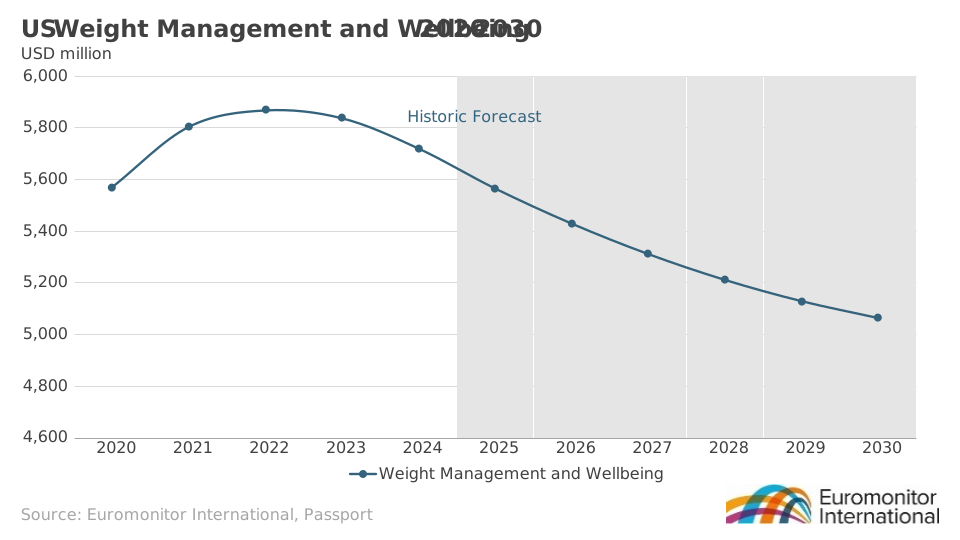
Growth opportunities found in ingredients which manage blood sugar and treat GLP-1 symptoms
As GLP-1 drugs become more widespread, a new wave of products is emerging to manage common side effects. Some brands are rolling out single products positioned as all-in-one multifunctional solutions, while others are bundling products into a complementary set. Gut balance, muscle retention, and nutritional sufficiency are all target areas, with ingredients like protein, prebiotic fibre, calcium, and collagen highlighted.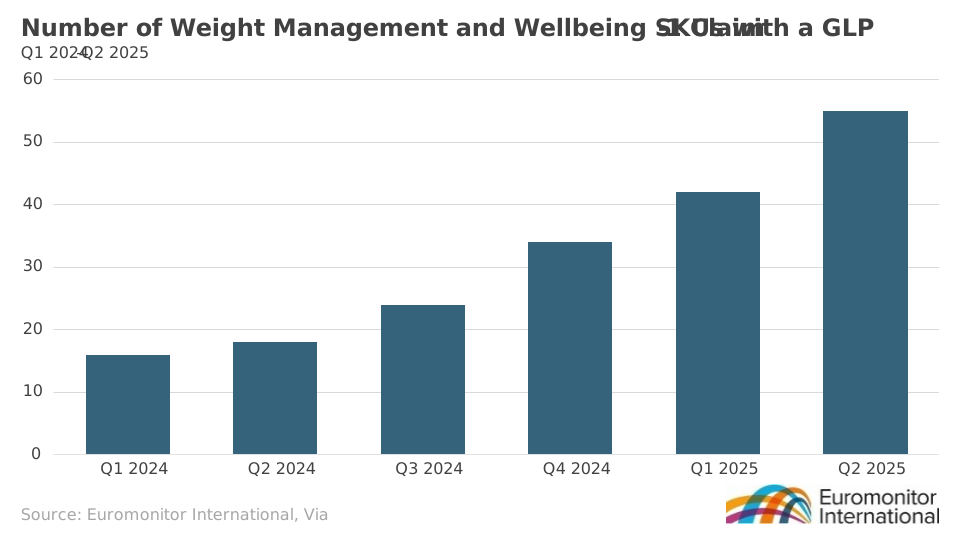
While the future of weight management currently looks bleak, there is opportunity for brands to develop more effective and targeted products catering to both GLP-1 users and natural ingredient purists. Moreover, as the number of GLP-1 users grows, so does the number of consumers who have discontinued GLP-1 use. Individuals stop the medication for reasons including high cost, unwanted side effects, or achieving their weight loss goals. With this in mind, an emerging consumer base will attract attention, namely retired GLP-1 users, as they can experience semaglutide withdrawal symptoms and weight gain which may require a unique set of solutions.
Read our article, The Impact of GLP-1 Drugs on a Food and Beverage Demand, for more analysis from a food and beverage perspective.