In 2025, beauty consumers globally have been more intentional and informed than ever. Over the past five years, consumer focus has shifted from routine-driven habits and product replacement towards strategic, personalised care. Euromonitor International’s Voice of the Consumer: Beauty Survey, fielded in May 2025, reflects that beauty consumers are making conscious choices, prefer clean ingredients, and seek beauty products backed by scientific evidence. Consumers are taking beauty into their own hands by approaching self-care strategically, and integrating beauty with overall wellbeing.
Beauty as a long-term investment in health and longevity
Consumers in 2025 view beauty as an investment in their overall health and longevity. 75% of people agree that having a consistent beauty routine contributes to their overall wellbeing and confidence. This mindset means that consumers are investing time and money in products that improve their long-term health and emotional wellbeing, not just their immediate appearance. Over the past five years, the global definition of beauty has remained remarkably consistent, with “looking healthy” (46%) continuing to be the top priority for consumers. However, 2025 has seen a notable shift, as “preventing signs of ageing” has become among the top five leading motivations in skin care product purchases. This marks a transition from routine-based motivations to more targeted, long-term goals towards preventative beauty solutions.
75% of global consumers agree that having a consistent beauty routine contributes to their overall wellbeing and confidence
Source: Voice of the Consumer: Beauty Survey, fielded May 2025, N=20,206
Strategic self-care routines
As living costs rise, consumers are undertaking beauty treatments at home to gain convenience, control and cost efficiency. Beauty routines are becoming more intentional, with DIY beauty becoming a deliberate lifestyle choice in 2025. This movement goes beyond saving money, as 77% of DIY users demand proven efficacy from at-home products. Millennials and Gen Z are driving this trend, favouring online shopping and prioritising ingredient transparency. Brands that deliver education and credible guidance, with products that integrate seamlessly into daily routines, will earn trust and long-term loyalty.
Science-driven luxury
Luxury in beauty now centres on science backed claims, efficacy and personalisation. Consumers define premium products by visible results, medical-grade formulations and clinical credibility. 45% of Luxury Beauty Shoppers surveyed in 2025 are influenced by medical professionals when choosing beauty products, up from 40% in 2024. This rise signals that luxury is blending with medical-grade skin care, where expert-backed efficacy is becoming a key marker of prestige. Proven efficacy leads in terms of perception of premium beauty, and is one of the top motivations for dermocosmetics usage, while medical endorsement and personalisation strengthen trust. Personalisation drives demand, especially among wellness-focused beauty shoppers who expect tailored solutions for specific concerns.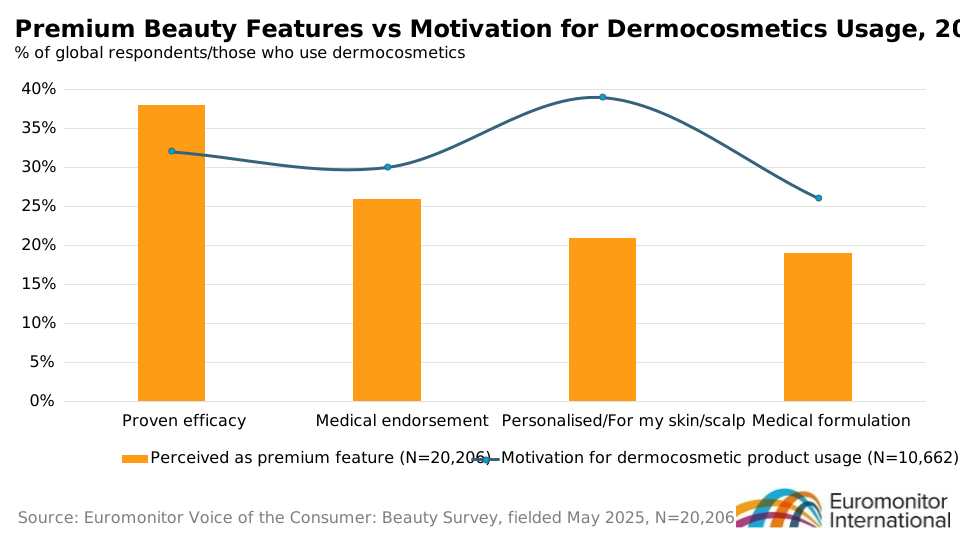
Consumers are increasingly choosing beauty products that align with their values, driving a surge in demand for clean scents and sustainable formulations. Nearly 46% of global fragrance consumers select products with at least one green feature, and natural attributes now dominate the market, generating an estimated USD59 billion in sales in 2024, with About one quarter of global consumers are “clean beauty advocates”, preferring minimal beauty routines and eco-friendly packaging, with 26% of them using beauty apps to scan ingredients and product labels. To stay competitive, brands must go beyond clean formulas, and innovate with beauty formats that support circular economy principles, and strengthen consumer trust and loyalty among eco-conscious buyers. Today, ingredient integrity and emotional impact matter as much as scent itself.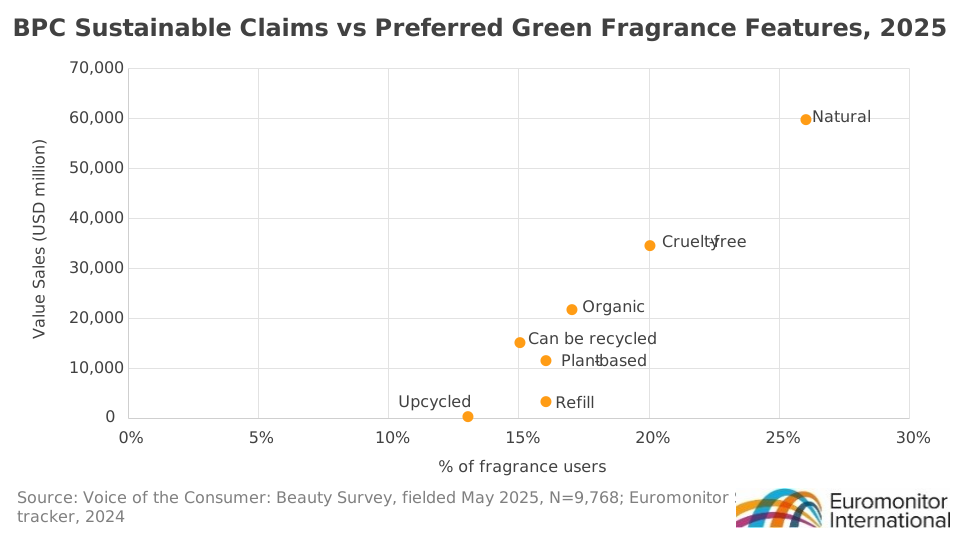
Learn more about key beauty consumer insights in our report, Voice of the Consumer: Beauty Survey Key Insights 2025, to better understand evolving beauty consumer types, changing consumer priorities, and how intentional self-care is shaping product choices and brand loyalty in the modern beauty landscape.