
The nicotine industry has traditionally depended on physical retail due to strict regulations and the impulse-driven nature of nicotine purchases. However, a quiet revolution is underway, changing how and where consumers purchase nicotine as they increasingly turn to new products like nicotine pouches, heated tobacco and e-vapour products.
Regulatory headwinds and regional disparities
E-commerce is the fastest-growing channel for nicotine globally, at a 17% CAGR over 2019-2024, in line with broader FMCG growth in the channel
Source: Euromonitor International
Nevertheless, regulatory pressures are mounting, and many countries now limit or ban online sales of nicotine products. In the US, following the PACT Act amendment in 2021, logistics networks had to be reconfigured, leading some companies to abandon direct-to-consumer e-commerce in favour of traditional physical retail.
Regional variances underscore e-commerce’s uneven penetration. In 2024, Indonesia became the largest e-commerce nicotine market by volume, driven by rising heated tobacco adoption, but e-commerce’s share of total industry volume remains comparatively low. In contrast, Scandinavia leads in e-commerce penetration, with the channel accounting for 13% of volume in Norway and 22% in Sweden, well above Europe’s average 2% share.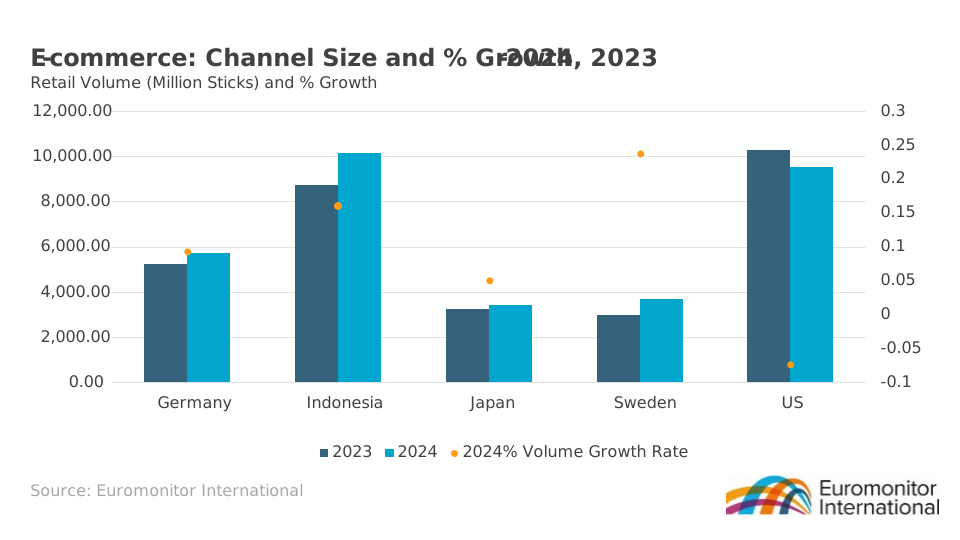
HAYPP Group, global leader of nicotine e-commerce, is a standout example of how e-commerce innovation can transform nicotine retail. HAYPP has become a digital powerhouse, dominating online sales of nicotine pouches, vapes and heated tobacco across multiple markets, taking 50-85% of online nicotine pouch sales in markets where it operates.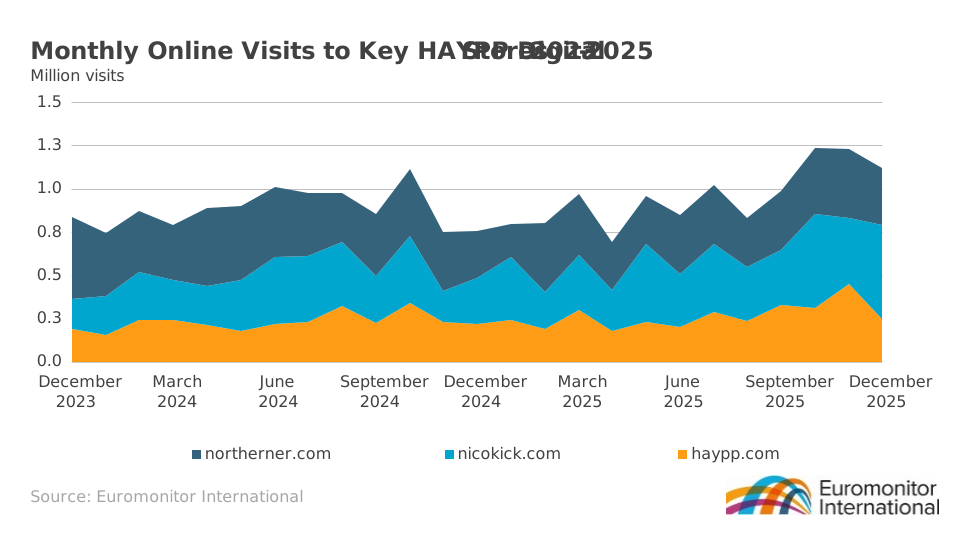
HAYPP’s efficient distribution model enables it to offer nicotine pouches at prices 20-40% lower than supermarkets and 30-50% lower than convenience stores. Its success shows how digital-first strategies and agile operations can overcome regulatory and logistical challenges.
Digital-first brands build unique resonance and gain momentum
Digital spaces have been instrumental in the adoption of nicotine pouches. In the US, brands like Zyn, Velo and Rogue continue to use digital strategies to gain momentum. has expanded its commercial operations, including D2C and direct consumer engagement, while Rogue has made significant investments in digital marketing and social media to build brand awareness. Market leader Zyn remains the most web-searched-for brand for nicotine pouches, according to Google Trends. While the gap is narrowing, over the past three years, Zyn had four times the average interest compared to “nicotine pouches” and significantly higher interest than any other brand.
Additionally, digital-native nicotine brands like Slay, Sesh and Lucy have relied on D2C e-commerce to scale and build their unique brand presence online. By balancing brand and category recognition, these brands have leveraged category momentum while connecting with specific consumer types.
Price, positioning, social media presence, product attributes and channel mix are all aspects that brands aiming to grow in e-commerce must manage. This is even more crucial in the nicotine sector, where information on the category is tightly regulated and organic discovery is especially important.
Brands adapting to omnichannel strategies will lead
For now, physical retail remains the backbone of nicotine sales. Still, change continues: for reduced-risk products (RRPs), e-commerce accounted for 6% of global volume in 2024, and momentum is building as new product formats and digital fulfilment solutions take hold, especially as consumers demand more convenience and choice.
The success of the HAYPP and other digital-native brands demonstrates that, even with challenges, the potential upsides are worth it, especially as the e-commerce landscape is increasingly competitive for both new and established brands. Companies looking to capitalise on the expanding opportunities in nicotine pouches and other RRPs will benefit from a strong e-commerce digital presence.
If you want to unlock unmatched insights, see precisely how nicotine categories are performing across online platforms, discover where your brand stands against competitors, and eliminate blind spots, contact Erwin Henriquez to learn more about how our e-commerce tools can help.
To learn more about the evolving nicotine distribution landscape, please read our strategy briefing, Where Consumers Shop for Nicotine.