
The sports nutrition industry in Europe is no longer confined to gym-goers and elite athletes. It is evolving into a dynamic space where innovation meets everyday wellness, and where consumers are redefining what it means to be healthy. This transformation is being driven by shifting consumer values, technological advancements, and growing demand for transparency and convenience.
Reflecting these changes, a shift in dietary habits in Europe is highlighted, with women – particularly those in their 20s – leading the way in protein adoption in their diets, surpassing men for the first time with a 51:49 ratio
Source: Euromonitor International’s Voice of the Consumer: Health and Nutrition Survey, fielded January-February 2025
Holistic health takes precedence: From muscle gains to overall wellbeing
Health has long been associated with physical activity – building strength, improving endurance and maintaining energy levels. These elements continue to be core to how individuals pursue wellness, particularly across Europe, where staying active is seen as essential to feeling empowered and resilient in everyday life.
The definition of health is, however, expanding, with consumers increasingly embracing a holistic view that includes mental wellness and stress management. According to Euromonitor International’s Voice of the Consumer: Health and Nutrition Survey, fielded January-February 2025, 60% of Europeans now define health in terms of mental wellness, while 44% consider stress management essential. The survey also revealed that physical activity has emerged as the most common method for managing stress and anxiety in Europe. As more individuals incorporate exercise into their routines, the role of nutritional support becomes increasingly relevant, opening space for innovation in adjacent categories.
An era of clean labels and conscious choices
As health and wellness expectations evolve, the nutrition industry is responding with rapid innovation. In 2024, over 8,000 new brand and sub-brand launches were recorded across Europe’s sports nutrition industry, with a strong shift towards products that reflect modern lifestyle priorities.
A significant share of these innovations are anchored in health-driven claims, with high protein standing out as a leading attribute. Simultaneously, brands are pushing boundaries in flavour innovation to enhance consumer engagement and product appeal. Another notable trend is the rise of sports supplement claims – now the third most prominent area of innovation – with a focus on benefits such as energy, endurance and performance support. This reflects a broader consumer shift towards targeted, purpose-driven nutrition.
Meanwhile, sustainability-related claims, while less visible in innovation narratives, have evolved into a baseline expectation. Attributes such as natural ingredients, organic sourcing and transparent practices are no longer differentiators, rather they are essential components of product development.
The next frontier in sports nutrition goes beyond protein
With consumer interest increasingly guided by broader wellness priorities, products fortified with vitamins, minerals and other functional ingredients are also gaining momentum. According to Euromonitor International’s Voice of the Consumer: Health and Nutrition Survey (fielded January-February 2025), consumer motivations for using sports nutrition products are becoming more diverse. Although building strength and muscle tone remains the top reason for consumption, there is growing interest in products that support hydration, flexibility and post-workout recovery. Hydration-focused products, often enriched with electrolytes, are increasingly popular for maintaining fluid balance and aiding recovery. Similarly, formulations targeting joint health and mobility are resonating with consumers seeking a more holistic approach to fitness.
Creatine is gaining traction beyond strength training, now valued for its recovery and cognitive benefits. Its rising use reflects growing awareness of its versatility and broader wellness potential.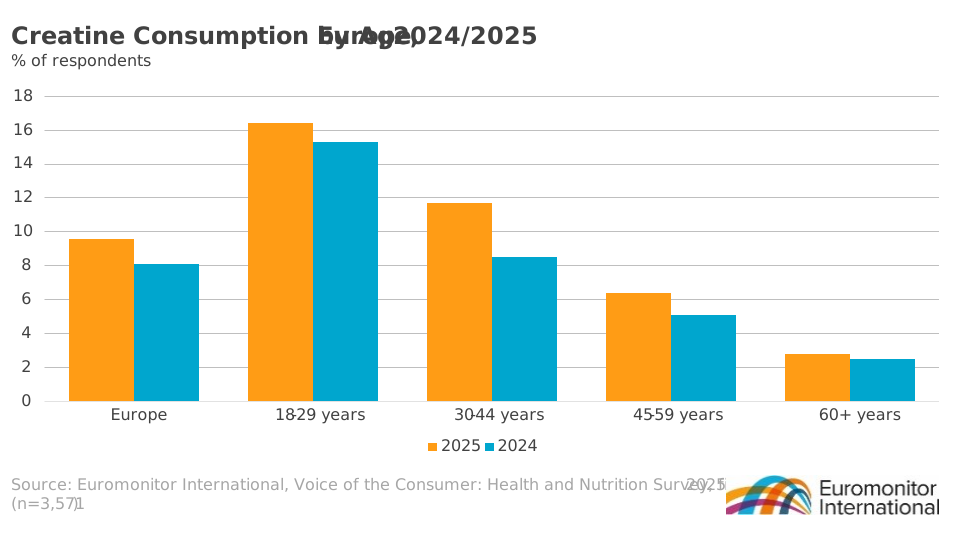
To stay ahead, brands should prioritise nutrient-dense, naturally derived ingredients which deliver holistic benefits and align with sustainability values. These innovations will be key to reshaping the category, moving it from fitness-focused to wellness-driven and meeting the expectations of modern consumers who view health through a more comprehensive lens.
To learn more about the leading consumer health trends, please read, Top Three Consumer Health Innovation Trends in 2025.