
Consumer health today has many attractive growth opportunities. Global spending is set to climb 2.1% in constant terms by the end of 2025, outpacing the review period CAGR. Behavioural shifts and evolving wellness goals are rewriting the rules, fuelling demand for protein among women, deepening health and beauty connections, and sparking a race for longevity.
In fact, 2025 marks a tipping point: women have surpassed men in seeking added protein, visibly reshaping brand strategies and competitive dynamics. These changes are driving new trends, which will set the 2026 agenda.
The fight for the future of protein
Protein is increasingly central to daily nutrition, reaching beyond sports and bodybuilding.
In 2025, women account for 51% of those increasing protein intake, overtaking men for the first time
Source: Euromonitor Voice of the Consumer: Health and Nutrition Survey, fielded February 2025 (n=20,165)
Brands respond with innovation. US company Kate Farms launched a plant-based protein for GLP-1 users in June 2025, multiple entrants including Eat Protein specifically target protein into women’s health, while PepsiCo has invested in Muscle Milk, using a milk-based formulation for the first time. This blurs the lines between dairy drinks and sports nutrition, addressing growing demand for protein that supports immunity, satiety and healthy ageing.
Health is beautiful
“Looking healthy” is the number one way we define beauty, while beauty positioning is one of the fastest growth areas in supplementation. Beauty claims featured on 20% of new dietary supplements launched globally since July 2024; 7% of these supplements focused on beauty benefits as their hero message, so these claims are increasingly popular, even when the product’s hero message is immunity.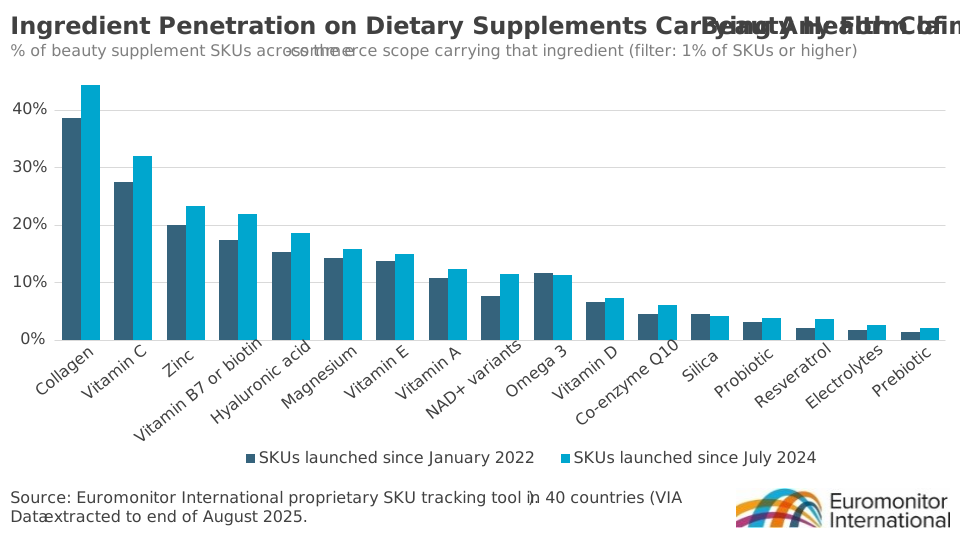
Longevity and living better for longer
Rising life expectancy brings chronic health management and anti-ageing to the fore. In 2025, at least one healthspan claim appeared on 50% of all new dietary supplement SKUs launched since July 2024, and NAD+ variants appeared on over 10% of healthspan launches (Euromonitor International VIA).
Tariff impacts ripple beyond US
Tariff volatility in 2025 saw US shelf prices for consumer health products rise by 3-5% by October, due in part to protectionist measures. Key ingredients from China, India and Europe faced high tariffs and supply issues. Brands are accelerating dual-sourcing, local production, and SKU-level price tracking.
The pressure behind these shifts is likely to last until 2029, with protectionist policy driven by the US administration causing counteractions.
The changing shape of OTC demand
From Euromonitor’s Voice of the Consumer: Health and Nutrition Survey, fielded February 2025, 43% of global respondents use supplements at least weekly. Demand for over-the-counter health products in the US stagnates. Consumers prefer prevention over treatment, focusing on natural wellness.
US company Kenvue expanded the Zarbee’s range to combine immune support and cough symptom relief for broader relevance; “preventative treatment” is among tactics brands deploy to escape stagnation, with GenAI health advice and early-detection wearables opening up a 2-day pre-illness window for incremental spend.
Adapting to disruption in global consumer health
Intense competition, shifting demographics and volatile supply chains are reshaping global consumer health. Businesses must balance innovation in prevention and wellness with strong risk management, especially under protectionist policies and pricing pressures. Brands that adapt quickly, by delivering multifunctional products, strengthening supply resilience and pursuing growth in emerging markets, will be best placed to protect and expand their value.
Although challenges remain, demand for holistic wellness, functional ingredients and targeted solutions creates opportunities for players that evolve. Strategic focus on consumer needs in protein, beauty and longevity offers the best prospect for sustained growth.
For more analysis, see our full report, Top Five Trends in Consumer Health.
This content was written with the assistance of AI. All information is original to Euromonitor and is derived from our report titled, “Top Five Trends in Consumer Health”. The final article has been thoroughly reviewed by our team to maintain the highest standards of quality and integrity.