
Global apparel and footwear is entering a period of cautious growth, technological disruption and polarising market dynamics. Growth prospects to 2030 remain subdued, amid persistent geopolitical unrest, inflationary headwinds, widening socioeconomic divides and shifting consumer preferences. Yet, even amid such volatility, there are opportunities for players that can pivot, diversify and innovate.
Technological disruption and experiential commerce
Technology is rapidly reshaping retail, with AI increasingly a cornerstone for discovery, personalisation and operational efficiency, and consumers navigating seamlessly between online and offline channels. With GenAI-powered search more prevalent, brands must adapt their digital strategies to stay visible in this evolving ecosystem.
Physical retail remains vital, however. Euromonitor’s Voice of the Consumer: Lifestyles Survey, fielded January-February 2025, reveals that over 70% of shoppers value in-store experiences, prompting brands to invest in immersive experiences, community engagement and emotional connections.
Wellness, longevity and the new value equation
Wellness remains a consumer priority; sportswear outperforms the broader industry. Brands that link fashion to health, performance and lifestyle innovation remain relevant, even as financial caution prevails.
52% of global female consumers plan to increase spending on health and wellness in the coming year.
Source: Euromonitor Voice of the Consumer: Health and Nutrition Survey, fielded February 2025
Focus on longevity and wellness is reshaping product offerings – brands explore new materials, designs and categories that support holistic wellbeing. With consumers increasingly discerning, demand for quality, durability and functionality grows and challenges traditional value paradigms.
Market polarisation and consumer segmentation
In 2026, economic divides continue to widen among consumers, fuelling a sharper split between luxury and value. While financially sensitive consumers fuel demand for trend-led, low-price fashion items from players like Shein or Temu, luxury remains resilient as affluent consumers seek investment pieces and “loud heritage”, supporting strong performance from houses like Hermès and Prada. These brands increasingly incorporate wellness, hospitality and exclusive experiential retail as they compete for cultural influence.
Meanwhile, the mid-market faces structural decline, particularly in Europe and North America. Retailers caught between the value and premium segments must either pivot towards budget-conscious offerings or elevate their brands through collaborations, flagship store revamps and the introduction of premium sub-brands.
Emerging markets and geographic diversification
While established markets like the US, UK, Germany and China experience sluggish growth, emerging economies are set to grow faster. Asia Pacific is forecast to contribute 30% of global value growth by 2030, driven by dynamic markets such as India, the Philippines and Thailand. Latin America is projected to achieve a 3% CAGR over 2025-2030, with Brazil alone reaching USD34.5 billion in 2025.
In response, global brands are pursuing geographic diversification to mitigate geopolitical risks and tap into youthful, digitally connected populations. Swedish H&M is expanding its presence in Brazil, Japanese Uniqlo is opening more stores across the US, and Chinese brands like Anta, Bosideng and Urban Revivo are making ambitious moves in Europe and North America.
Resale shift into “must-have” strategy
Second-hand fashion is evolving from niche behaviour into a habit as consumers balance financial pressure with rising sustainability values. Platforms like Vinted, ThredUp, TheRealReal and Le Bon Coin have normalised resale in Europe and North America, while premium players increasingly curate archival drops and exclusive pre-loved collections to elevate brand heritage and deepen loyalty.
Major brands now integrate resale into their ecosystems.
H&M’s multi-brand “pre-loved” concept and Ralph Lauren Vintage demonstrate how resale can generate new revenue streams while emphasising durability, storytelling and circularity.
As tariffs, cost pressures and consumer scrutiny intensify, resale will become a must-have in the strategic playbook, not only for sustainability compliance but also as a competitive differentiator.
AI across the value chain
Now past the pilots/experimentation phase, AI is becoming central to the fashion value chain. Beyond improving product discovery and personalisation, it drives efficiencies in demand forecasting, design automation, supply chain optimisation and material usage, enabling brands to reduce waste and comply with regulations such as the EU’s Ecodesign for Sustainable Products Regulation. Collaborations with technology giants help brands to protect margins and navigate shifting regulations in Europe, China, California and beyond.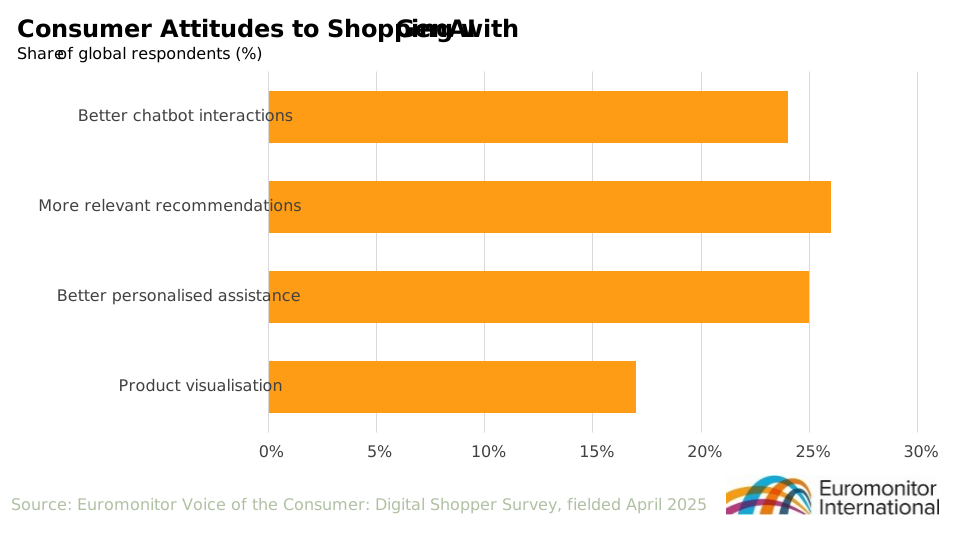
By 2030, the industry will be shaped by slow growth, rising cost pressures and heightened uncertainty. Players face their toughest test in decades – demanding bold moves in digital, emerging markets, climate urgency and lifestyle innovation to stay ahead.
For further insights on resilience strategies amid volatility and muted global growth, consult our briefings, Top Five Trends in Apparel and Footwear and The World Market for Apparel and Footwear. Watch our videocast on luxury and fashion trends in 2026 and beyond.