
In a world marked by economic uncertainty, climate change, and shifting consumer values, Gen Z is emerging as a transformative force in the coffee and tea industry. Born between 1995 and 2009, this generation is digitally native, wellness-orientated, experimental and driven by personalisation and experience.
Coffee consumption has traditionally been large in developed regions like Europe and North America, where retail brewed consumption per capita is 127.7 litres and 98.5 litres, respectively, as of 2024. Nevertheless, the potential for growth is huge in emerging markets of Asia Pacific and the Middle East, as they house the largest Gen Z population. Moreover, income growth among Gen Z is expected to accelerate. This presents opportunity for brands to adapt to the evolving preferences of Gen Z consumers, building long-term relationships by offering affordable, personalised and novel experiences.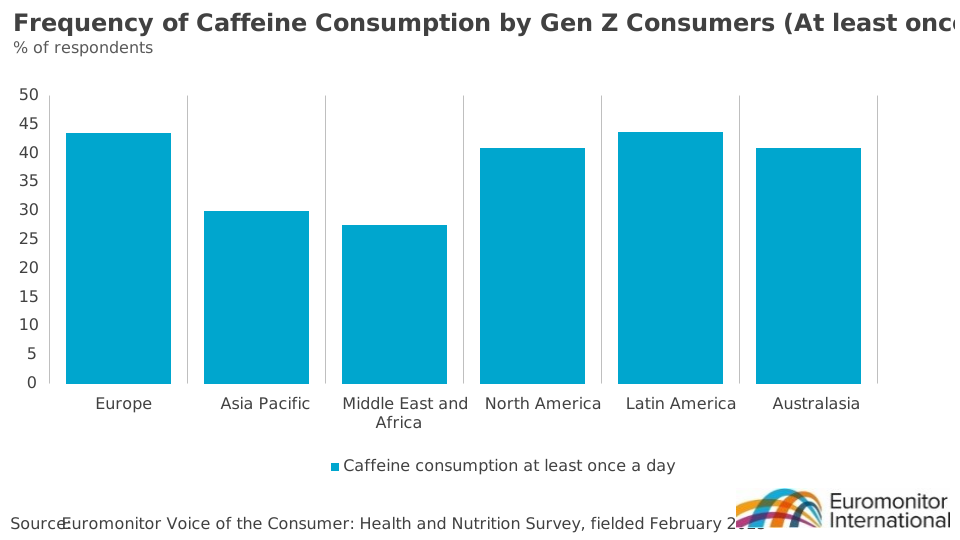
Personalisation and experience
Gen Z consumers are not just buying beverages – they’re curating experiences. This comes in the form of personalised coffee and tea options that reflect their identity, mood and lifestyle.
50% of Gen Z respondents mentioned that they seek products and services tailored to themselves
Source: Euromonitor Voice of the Consumer: Lifestyles Survey, fielded January to February 2025
Personalisation is key because Gen Z consumers have a wide range of options to choose from. This ranges from iced caramel macchiatos to matcha lattes, as well as limited editions and seasonal offerings. Trending flavours are discovered on social media, such as matcha or coconut latte, generating excitement and turning drinks into shareable moments for Gen Z consumers.
Functionality and sustainability
Gen Zs are becoming more health-conscious and seek functional coffee, exploring benefits beyond energy such as digestive health, focus and beauty. Products like mushroom coffee and collagen-infused blends are tapping into Gen Z’s holistic wellness goals. Gen Zs are also deeply concerned about sustainability. They are more open than older generations to lab-grown and “beanless” coffee alternatives, reflecting their willingness to embrace innovation for environmental benefit. Brands like Atomo Coffee and start-ups in Singapore, France and the US are exploring lab-cultivated options.
Digital engagement and social media platforms remain key to connect to Gen Z
Social media is central to Gen Z’s discovery and engagement with coffee and tea. Platforms like TikTok and Instagram are not just marketing tools – they’re cultural touchpoints. Gen Z relies on influencer content and brand accounts for product information, with authenticity and transparency being non-negotiable.
Brands are leveraging this by launching visually appealing, “Instagrammable” products, which appeals to Gen Z. Starbucks’ Coco Matcha and Coco Cold Brew are prime examples of aligning product innovation with social media trends. Collaborations with influencers and celebrities, such as Nespresso’s partnership with The Weeknd, are helping brands connect with Gen Z on a deeper level.
New channels emerge to excite Gen Z consumers and enhance their experience
Direct-to-consumer (D2C) models are thriving, offering personalised options and fostering brand loyalty. In India, Blue Tokai and Sleepy Owl have scaled rapidly through D2C, while Singapore’s Perk Coffee offers subscription-based services. Convenience stores are also evolving into coffee destinations, with brands like 7-Eleven launching automated tea machines and promoting affordable brews. Meanwhile, unmanned drive-throughs, like Coffee Banhada in Korea, are using AI and automation to deliver personalised coffee experiences, appealing to Gen Z’s tech-savvy nature.
Looking ahead, being adaptable is key to winning Gen Z
As Gen Z mature, their preferences will continue to shape the coffee and tea industry. Brands that invest in understanding and engaging Gen Z today will be best positioned to thrive in the future. Key strategies include launching customisable options from flavours to formats, leveraging social media, tapping into new channels to meet their demand for convenience, as well as adapt to local trends. This is especially seen in high-growth markets like India and China tailoring product offerings to local preferences and income levels.
Learn more about Gen Z consumption in our report, Future of Consumption: Unlocking Gen Z Behaviour for Crafting Powerful Strategies.