
Despite economic uncertainty, consumers increasingly prioritise health, wellness, and functionality in food and drinks – putting legacy products at a crossroads. Fibre, protein, and brain health claims lead across beverages, dairy, and plant-based foods, while clean eating and simpler recipes gain traction. Nearly half of global survey respondents aim to eat less processed food. To stay relevant, brands must deliver credible, mindful innovation and embed wellness across portfolios with regional nuance. Euromonitor’s research highlights the top trends shaping this landscape, offering insights into drivers of change and growth opportunities.
Functionalisation of diets and the gut-health nexus
Consumers are turning to food and drinks for personalised health management, increasingly viewing diets as “ingestible wellness” on a par with supplements. Gen Z leads this shift, desiring daily, evidence-based routines that support long-term health. Functionality is now a top claim, with gut health emerging as a hub for physical and emotional wellbeing. In Asia Pacific, 24% of 2024 food and drink launches featured gut-related attributes, including Barambah Organics’ synbiotic yoghurt combining probiotics and prebiotics, and PepsiCo’s late-2025 announcement of a prebiotic soda with 3g of fibre and 5g of cane sugar. Brand owners must back functional claims with evidence-based development and transparent marketing to mitigate regulatory and trust risks.
Metabolic reset: Redefining weight, energy and longevity
The advent of GLP-1 receptor agonists has shifted consumers’ perception of weight management, with new expectations of consumer health and, crucially, food and drink products that help regulate appetite and body weight. GLP-1 therapies have gained traction among both those with cardiovascular conditions and the broader weight-conscious population. Protein and fibre are emerging as winners, with high-fibre claims surging in soft drinks and dairy across Asia, Western Europe, and North America. Snacks can leverage metabolic health and fibre narratives more, as done by Floura in the US in 2025 with snack bars containing 13g of fibre, targeting satiety and women’s holistic wellness.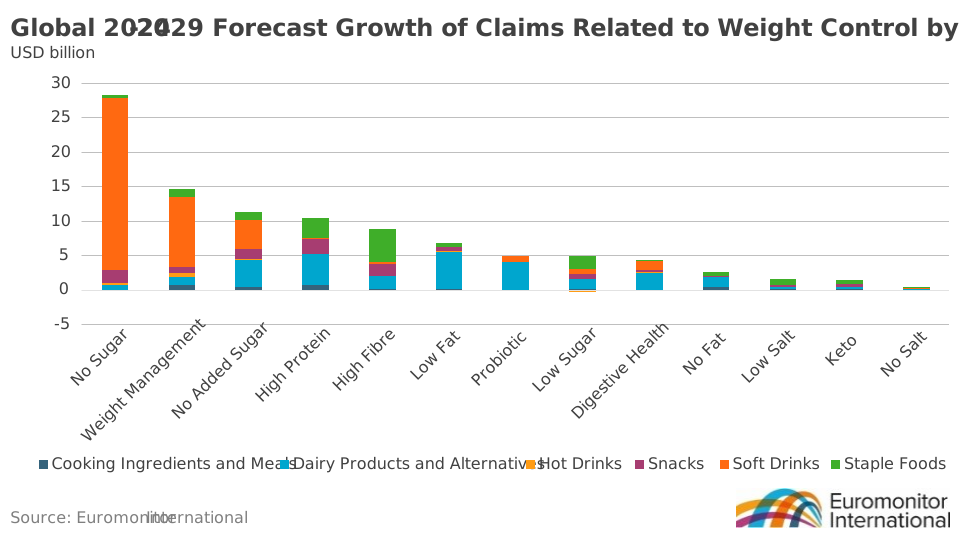
Protein remains a powerful nutritional signal globally, but one that is maturing and must therefore evolve. Consumer fatigue around generic "high protein" claims in North America and Western Europe is prompting a shift towards more targeted positionings, eg clean label, sustainability through plant-based/local sourcing, life stage, occasion, or product portability. Barilla launched Protein+ pasta in Italy, touting its strong protein content from durum wheat and pea protein, whilst in the US, Bucked Up released a lighter hydration and protein drink than conventional protein dairy shakes for workout occasions.
Clean eating 2.0: Trust through wholesomeness
The global appetite for clean eating is intensifying, with consumers favouring fresh, minimally processed whole foods. GLP-1 drugs are accelerating this shift, steering users towards lighter, nutrient-dense foods. Brands must reformulate for simplicity and transparency, spotlighting freshness and whole ingredients. Examples include Rivalz’s bold comparison of its fibre-rich, plant-based savoury snacks with flagship competing products, and Tyson Foods’ Simple Ingredient Nuggets, launched in the US in July 2025, with "natural chicken, real cheese, and simple seasonings".
The regulatory push for nutritional reform
Regulators are tightening rules on "negative" nutrients and ultra-processed foods, with the EU's Farm to Fork Strategy promoting sustainable food systems and the UK's HFSS regulations restricting less healthy products. The US FDA and USDA are working to define ultra-processed foods. Brands must anticipate more regulation, with early adaptation through reformulation and refined claims being key. Mondelez Australia's 50% Less Sugar range under The Natural Confectionery Co, launched in April 2024, combines clean label appeal with a strong sugar reduction message.
Trends reshaping health and wellness businesses today
Consumer demand for cleaner, simpler, and more functional products is significantly transforming the health and wellness industry. As regulatory pressures intensify and GLP-1 therapies reshape weight management, businesses must adapt to remain competitive. Consumers are increasingly seeking whole, minimally processed foods and transparency in labelling, driving the trend towards "clean eating". Protein’s positioning is evolving towards more refined formats and multifunctional benefits. The gut-health nexus is emerging as a central hub for physical and emotional wellbeing, driving innovation in dairy and beverages. To succeed, brands must invest in credible research, reformulate products to reduce "negative" nutrients, and prioritise transparency and trust.
Learn more about these trends and their implications in our report, Top Five Trends in Health and Wellness, to gain insights into drivers of change and opportunities for growth.
This content was written with the assistance of AI. All information is original to Euromonitor and is derived from our report, “Top Five Trends in Health and Wellness”. The final article has been thoroughly reviewed by our team to maintain the highest standards of quality and integrity.