
Around one fifth of global oil and gas flows through the Strait of Hormuz. With this critical energy chokepoint at risk, Euromonitor Commodities data projects oil prices above USD100 per barrel throughout 2026. For FMCG companies, this means more than logistics headaches.
The packaging industry confronts significant margin pressure, especially plastics, where most production costs tie directly to petrochemical feedstocks. Energy volatility is also hitting energy-intensive materials like glass and aluminium, forcing FMCG players to execute strategies like downsizing and lightweighting to defend margins. While cost reduction is the main motivator, environmental benefits are a welcome secondary outcome, opening space to recalculate material economics and accelerate the shift towards sustainable packaging.
The immediate pivot: Reducing plastic volume
When virgin plastic costs surge 15-20% in a single quarter, the fastest relief comes from using less, especially since plastics represent 65% of global packaging volume in 2025. Euromonitor Packaging data reveals that food and beverages lead plastic packaging volume, with 1.8 trillion and 716 billion units, respectively. Home care remains the most plastic-dependent, with plastic representing 83% of total packaging volume due to safety requirements for chemical formulations. For high-volume plastic users, the immediate opportunity is twofold: reduce plastic content through lightweighting and eliminate secondary packaging layers.
This shift is underway, reinforcing proven positioning strategies. Companies reducing plastic content to defend margins can transform cost-driven necessity into consumer-facing sustainability stories. Stand-up pouches, among the fastest-growing pack types globally, exemplify this dual advantage, using significantly less material per unit than rigid bottles while maintaining product protection. However, brands must ensure these pouches are both recycled and recyclable, so materials recirculate rather than simply replacing rigid plastics in landfills.
Material reductions drive market-ready sustainability claims. Efficient packaging and plastic-free packaging are the fastest-growing packaging claims globally (Q4 2024-Q4 2025), per Euromonitor's Sustainability Quarterly Tracker. Concentrated formulations, eg solid shampoo bars, laundry pods, concentrated cleaners, deliver multiple benefits including less plastic per dose and lower transportation emissions and costs. Beauty and personal care leads recycled content claims, with hair care, skin care, and bath/shower showing the highest SKU counts in Q4 2025, while concentrates provide a strong sustainability narrative through resource efficiency.
The strategic pivot: Following material momentum and infrastructure reality
Short-term plastic reduction addresses immediate margin pressure, but mid/long-term resilience demands strategic material switching. Here, decision-making is complex, as alternatives’ success depends significantly on material costs and availability, local recycling infrastructure’s maturity, and category-specific packaging requirements.
Euromonitor Packaging data tracking 40 pack types reveals which materials show genuine momentum. Plastic pouches lead growth for 2025-2029, driven by convenience trends and downsizing strategies. Plastic will remain central to FMCG packaging. The pivot isn’t abandoning plastic; it’s optimising for mono-materials, lightweighting, and closing recyclability and quality loops.
Yet, highly recyclable alternative materials are making real progress. Paper-based composites are the second fastest-growing format, gaining momentum in less obvious categories. Comparing historic and forecast growth rates reveals paper accelerating in beauty and personal care, food, and beverages, all traditionally plastic-dependent. Metal is quietly re-emerging in food and gaining traction in home care. These aren't random moves. They show where packaging requirements, consumer expectations, and infrastructure readiness are finally aligning.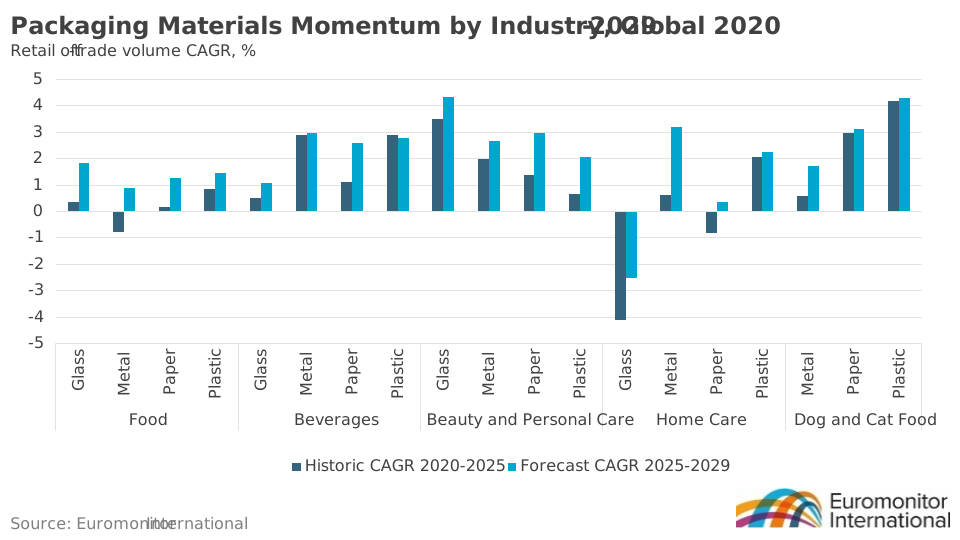
Material switches require honest evaluation. Paper works for dry goods but needs costly coatings for oils; refills demand consumer behaviour changes and infrastructure. Geography matters too. Matching recycling infrastructure with materials in the right markets is essential for scalability and economic viability. When executed well, brands unlock powerful claims. Euromonitor's Sustainability Quarterly Tracker shows refill, compostable, FSC certification, and recycled materials claims increasingly present in 2025 launches, creating differentiation.
However, supply chain risks persist. Geopolitical shocks also hit energy-heavy materials like glass and aluminium, and price swings now affect everything. The optimal strategy optimises existing plastic while selectively expanding into alternatives where technical, infrastructure, and economic factors align, making flexibility and supplier diversification critical resilience factors.
A decision framework: When, where, and how to switch materials
FMCG companies need a structured approach to navigate material switching decisions. The framework integrates five decision pillars: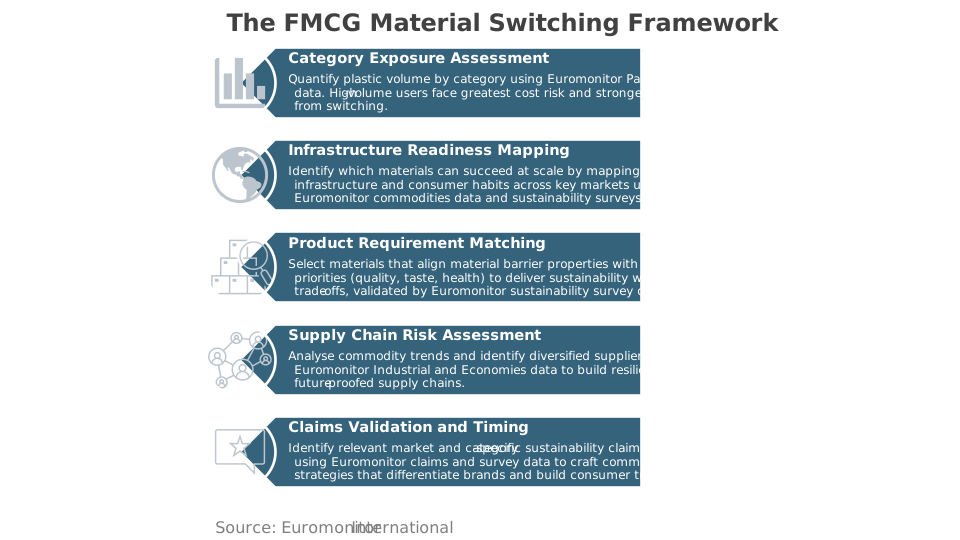
From short-term relief to long-term positioning
The energy price shock offers a rare window where cost reduction and sustainability objectives converge. But smart FMCG companies are looking beyond immediate relief towards structural resilience. The EU’s PPWR regulation, mandating recycled content targets by 2030, signals that regulatory pressure will only intensify. Energy volatility will persist given geopolitical fragmentation and underinvestment in new production capacity. Companies that build flexible, data-informed material strategies now will navigate this volatility with confidence.
Explore Euromonitor’s Sustainability solutions to unlock growth through the right sustainability claims.