

Snacking has long been associated with indulgence – a moment to treat yourself with a burst of flavour and texture. Today, rising health consciousness and closer attention to ingredients and functionality are reshaping how consumers perceive snacks and what they expect from them. Snacking has become more intentional, whether for a sensory experience or functional benefits, ideally combining both.
51% of global consumers actively seek healthy ingredients in food and beverages and 37% carefully read nutrition labels
Source: Euromonitor Voice of the Consumer: Lifestyles Survey, fielded January to February 2025
This focus on dietary features extends beyond main meals into categories like snacks, traditionally seen as impulsive and convenience-led.
Novelty attracts attention, but long-term success of new snack launches depends on pairing flavour and texture innovation with better-for-you formulations, convenient formats, and addressing specific usage occasions to reinforce snacking’s relevance throughout the day. Although producers are responding to rising consumer demand for healthier options, significant opportunities still exist.
Consumer demand for health-complementing snacks persists
Today’s snacks are expected to deliver not only exciting flavours but also improved nutritional value and healthier ingredients that fit seamlessly into daily eating habits. Per Euromonitor’s Voice of the Consumer: Lifestyles Survey, fielded January to February 2025, 21% of global consumers eat nutrient-rich snacks that complement their diet.
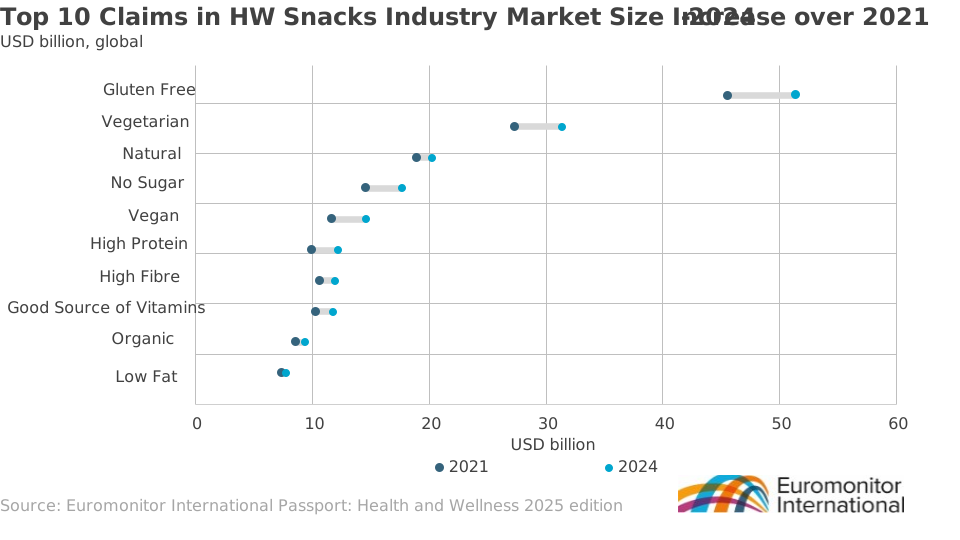
Consumer demand for healthier snacks is fuelling sales growth for products with health and wellness claims. Gluten-free snacks lead, significantly outperforming vegetarian claims, according to Euromonitor’s Health and Wellness Snacks data. Increased awareness around sugar reduction and higher fibre and protein intake is driving sales of snacks with these attributes, reflecting a move towards more mindful snacking.
Targeted product launches capture demand from health-minded consumers
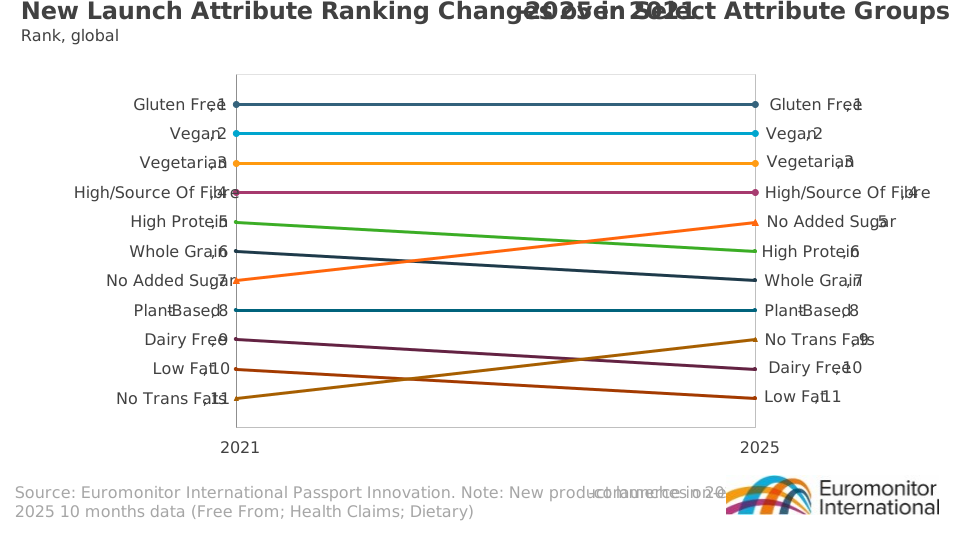
Snack producers are responding, launching new products aligned with changing consumer preferences. Popular brands like Oreo, Lindt and Reese’s have contributed to gluten-free snacks’ category expansion while meat snacks like Jack’s Links and snack bars like MyProtein have added to the growing high-protein snack sales. Between 2021 and 2025, gluten-free snack launches consistently ranked first among snacks carrying at least one attribute from Free From, Dietary or Health Claims groups. Most new launches are first seen on wellness-focused e-commerce sites like Well.ca, iHerb, and Thrive Market, reflecting producers’ focus on targeting specific consumer segments.
Private label is emerging as an important innovator in better-for-you snacks, with grocery retailers like Carrefour and Ocado actively launching healthier snack options that reflect evolving consumer priorities. In early 2025, Marks & Spencer introduced its Only Ingredients range, also listed in Ocado, capturing the attention of consumers seeking simplified formulations, no added sugar and higher protein or fibre content.
Texture, flavour, and format have traditionally driven consumer excitement and sales growth, but consumers are increasingly seeking products that pair strong sensory appeal with functional benefits such as fitness support, immunity, gut health, or mental wellbeing. As shoppers become more intentional with their choices, manufacturers must adopt a more purposeful and data-driven approach to snacks’ development, positioning and distribution.
Euromonitor’s Innovation solution helps to quickly discover new snack launches online and track which succeed and expand, and which fail. Contact us here to learn more on the latest innovations across FMCG categories.
Read our article, Trending Topics: Intentional Consumption, for more details how industries are shaped by purpose-driven consumers.
Download our report, Health and Wellness Innovation: Metabolism, Microbiome and Mind, for in-depth trend descriptions, case studies and strategic recommendations.